

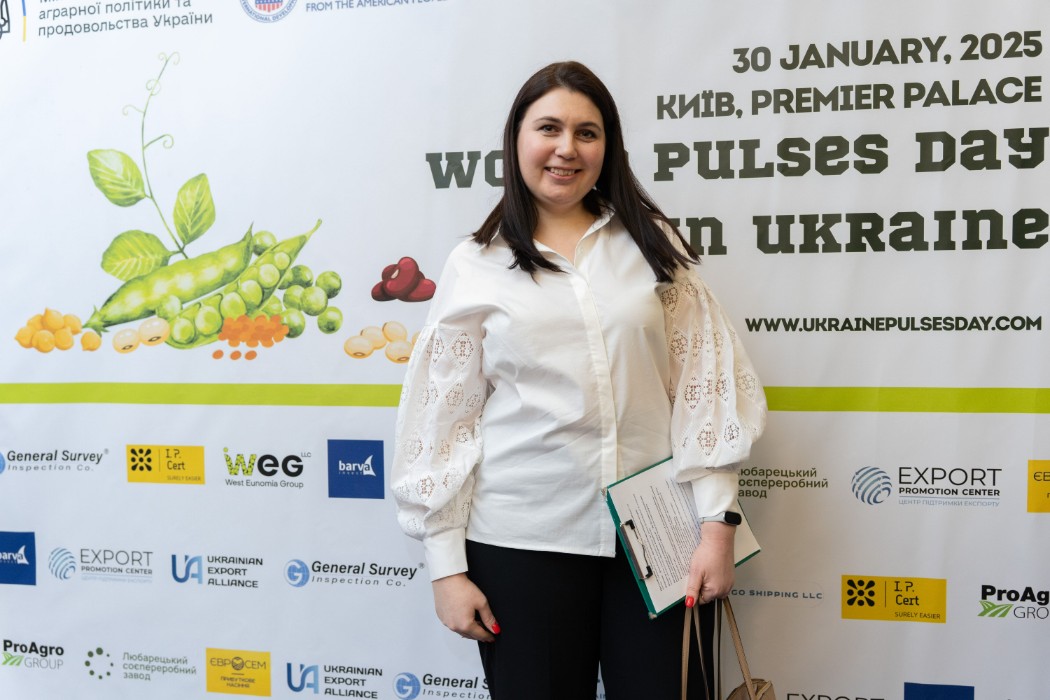
On January 30, 2025, Kyiv hosted the celebration of World Pulses Day, an event organized by the Ukraine Pulse Association. The gathering brought together over 250 producers, processors, exporters, government representatives, and international organizations. As a key player in the global pulses and soybean market, Ukraine took the initiative to host the event ahead of the official date, creating a platform for discussions on major industry trends.
A key highlight of the celebration was a panel discussion where industry experts shared their forecasts on production, exports, and market developments for soybeans and pulses.
Antonina Sklyarenko, President of the Ukraine Pulse and Soybean Association and former President of the Ukraine Pulse Association, presented the latest production data: "In 2024, Ukraine harvested 469,000 tons of peas, with exports reaching 364,000 tons. Demand for Ukrainian peas is rising, especially from the EU and South Asia, creating opportunities for production expansion. In 2025, pea cultivation areas are expected to increase by 20%, while lentil acreage will grow by 10–15%. This reflects a growing focus among Ukrainian producers on promising export markets."
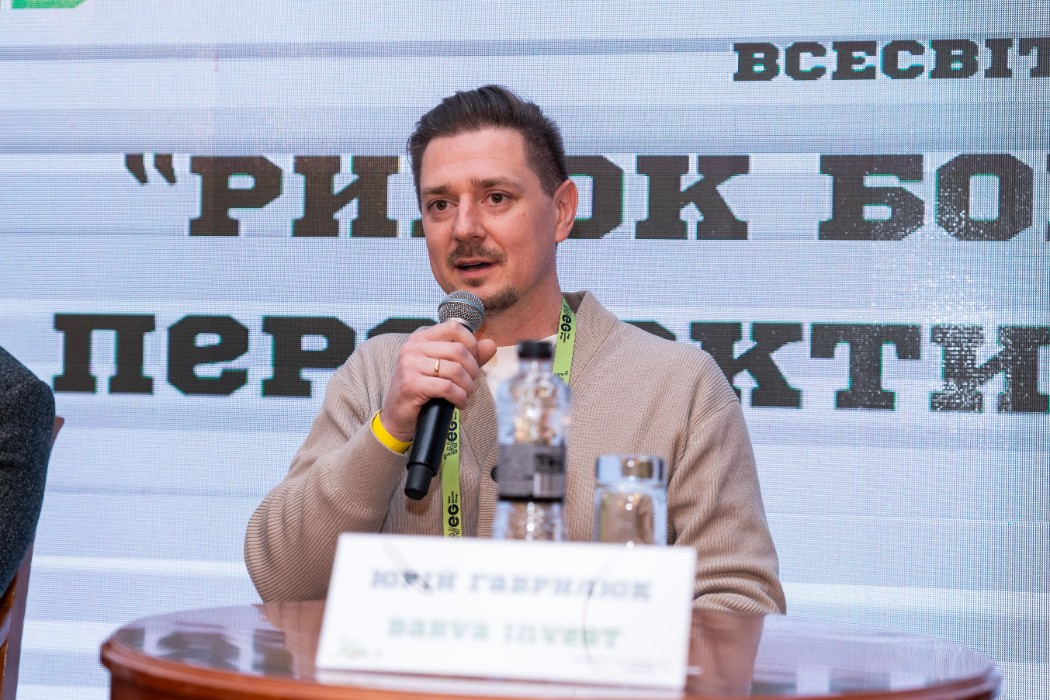
Yuriy Havrylyuk, Partner and CEO of Barva Invest, highlighted the strong growth potential of Ukraine’s soybean market: "Ukraine produces about 6 million tons of soybeans annually. The share of non-GMO soybeans is steadily increasing, currently covering 40–45% of total cultivated areas. This provides a strong advantage for expanding Ukraine’s presence in the European market, particularly given the demand for certified products."
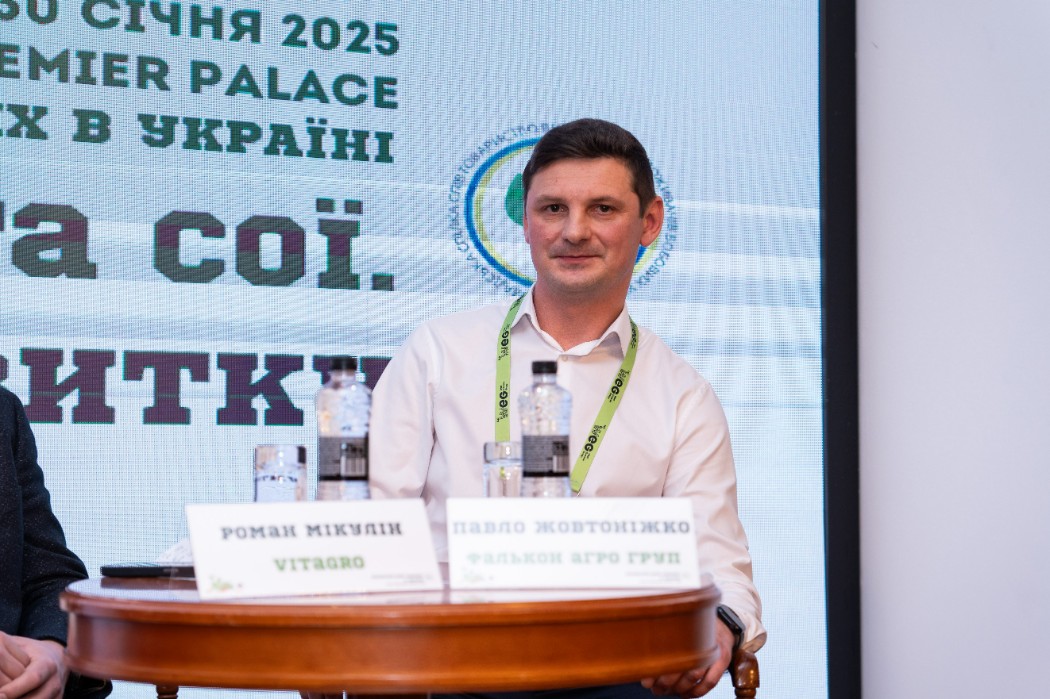
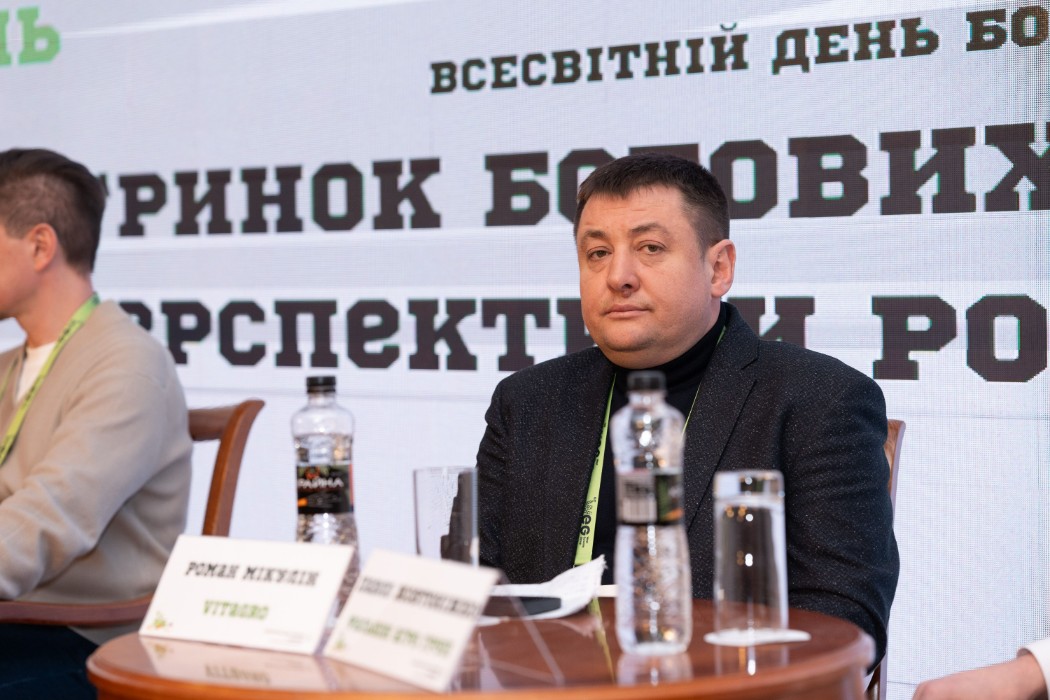
Roman Mikulin, Head of the Commercial Department at Vitagro, pointed out how market trends are influencing crop choices: "In 2025, we may see a slight reduction in soybean cultivated areas due to high corn prices. However, the long-term trend remains positive—demand for non-GMO soybeans allows Ukrainian producers to receive a premium of $40–50 per ton, sometimes even up to $100. This is a key factor motivating farmers to continue production."
Pavlo Zhovtonizhko, Director of Falcon Agro Group, emphasized the impact of climate change on soybean quality in Ukraine. He noted that the dry season significantly affected this year’s harvest characteristics:
"It was a dry year, particularly in central regions. Although yields were only slightly affected, the soybeans harvested were unusual for processors—we refer to them as ‘immature’ because of their green color. While their oil content was within normal parameters, this was a major challenge for the season. At the start of the harvest, it was unclear how to market them, as even the extracted oil had a green tint. However, with time, dialogue between producers and processors led to viable solutions for selling this product."
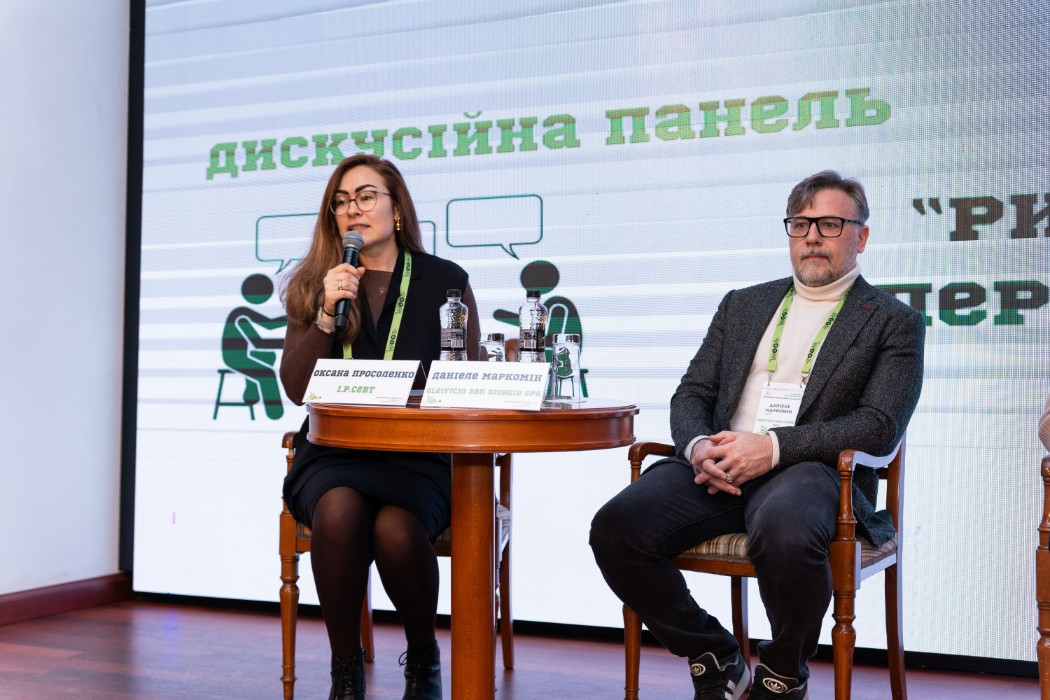
Another key speaker was Daniele Marcomin, Senior Client Manager at Oleificio San Giorgio S.p.A., one of Italy’s leading soybean processors. According to him, Ukrainian soybeans already hold a significant competitive advantage over those from the Balkans due to their purity and consistent quality:
"Ukrainian soybeans are much cleaner than those from the Balkans. Their protein level averages 33–35%, slightly lower than our traditional suppliers, but their advantage lies in stable quality and eco-friendliness. We actively source certified products from Ukraine and plan to expand cooperation."
Another major segment of the event was a seminar on "Key Aspects of EUDR in the Context of Ukrainian Soybeans," which provided insights into the new European Union Deforestation Regulation (EUDR).
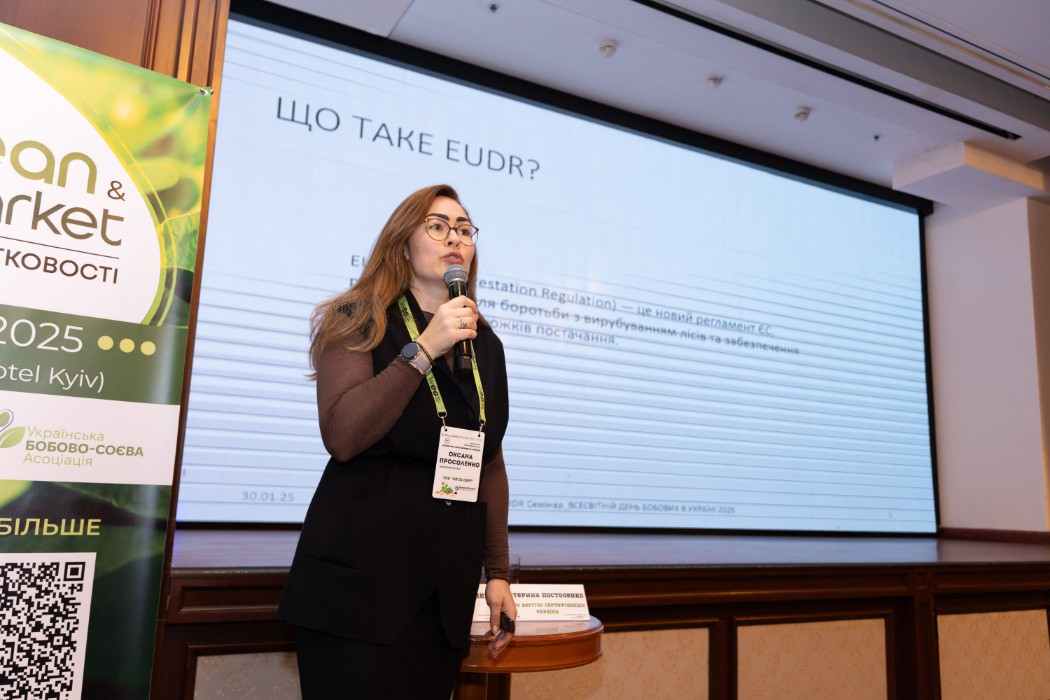
Oksana Prosolenko, CEO & Founder of I.P.Cert, stressed the urgency for Ukrainian companies to adapt to the EU’s new requirements: "EUDR is transforming the soybean trade—exporters must now prove their products do not contribute to deforestation. This involves strict traceability, geolocation tracking, and full transparency in production. Ukrainian businesses must start adapting immediately, as the transition period ends in 2025."
She highlighted key challenges for agricultural producers, including:
- Maintaining records on each product batch for five years
- Geolocation tracking of farmland used for soybean cultivation
- Ensuring no mixing of certified and non-certified products
- Providing English-language documentation to verify EUDR compliance
One of the event’s most significant moments was the official merger of the Ukraine Pulse Association and the Ukrainian Soybean Association into the newly formed Ukrainian Pulse and Soybean Association. This strategic move aims to enhance the global promotion of Ukrainian products and improve coordination among producers.
Additionally, a Memorandum of Cooperation was signed between the newly established Ukrainian Pulse and Soybean Association and the Institute of Climate-Oriented Agriculture of the National Academy of Agrarian Sciences (NAAS). This agreement lays the foundation for scientific research, climate adaptation in agriculture, and the introduction of innovative approaches to pulse crop production.
The event was attended by Ukraine’s Minister of Agrarian Policy and Food, Vitaliy Koval, Head of the State Service of Ukraine on Food Safety and Consumer Protection, Serhii Tkachuk, as well as representatives of embassies of countries that support the development of Ukraine’s soybean and pulses sector.
World Pulses Day 2025 highlighted Ukraine’s strong potential in pulse and soybean production and export. The combined efforts of businesses, the government, and international partners will further strengthen the country’s position in the global market.
The celebration concluded with an evening cocktail reception, where attendees enjoyed a variety of pulse-based dishes, symbolizing the growing importance of these crops. Discussions continued on future cooperation and new opportunities within the sector.